10&the end
Well here it is. The last day on this side of the globe. I think we all agreed it was the best trip of our lives, (with no offense to the previous). And I’m guessing the money spent doing it resulted in memories that will last us until we are ninety. Roi on it is pretty good then I’d say.
I hope you don’t get too bored reading my last post. I’ve always been super intrigued with what all made Venice what it is today. I was going to try to give you a very brief summary of what I have found out.
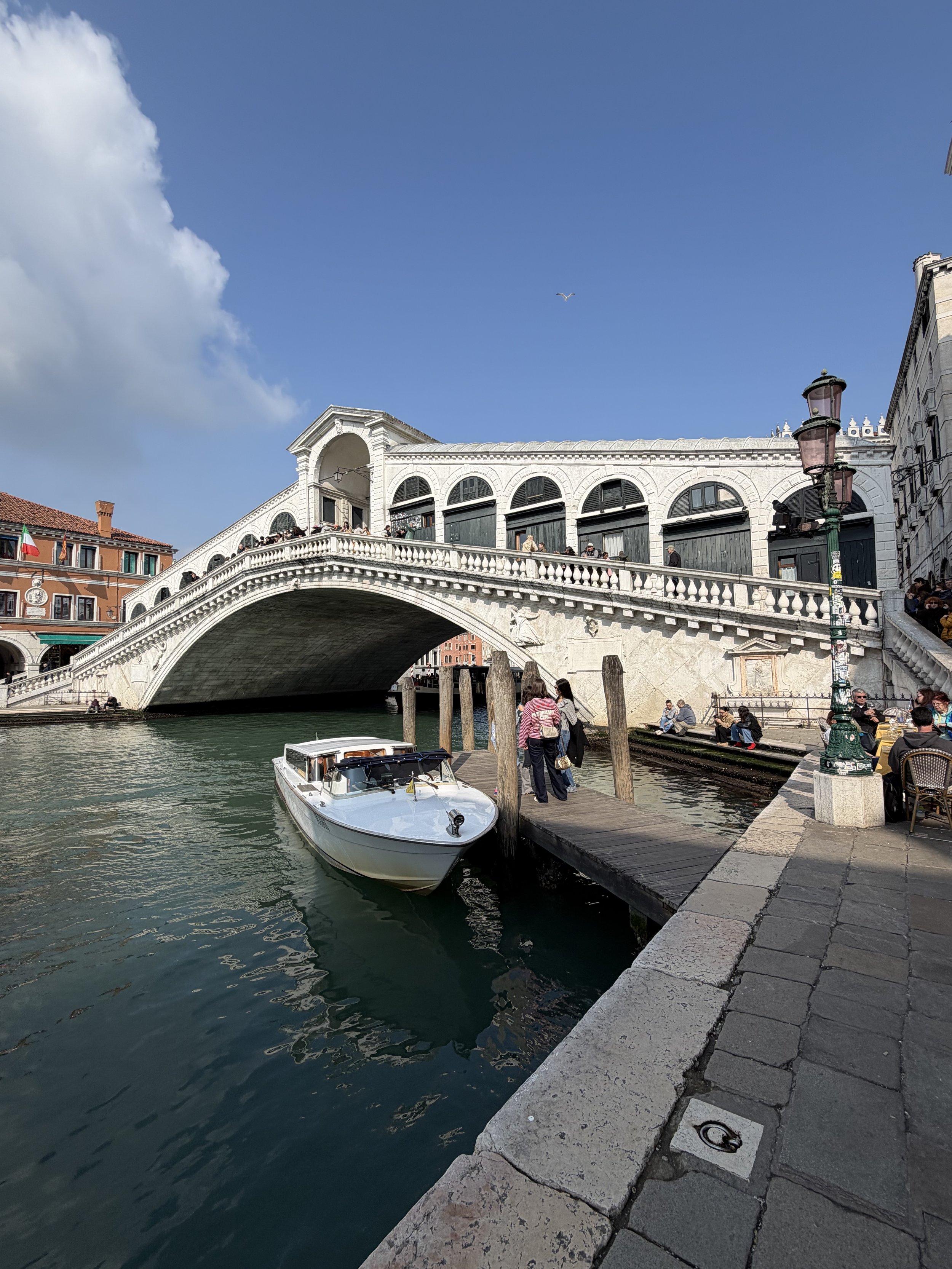
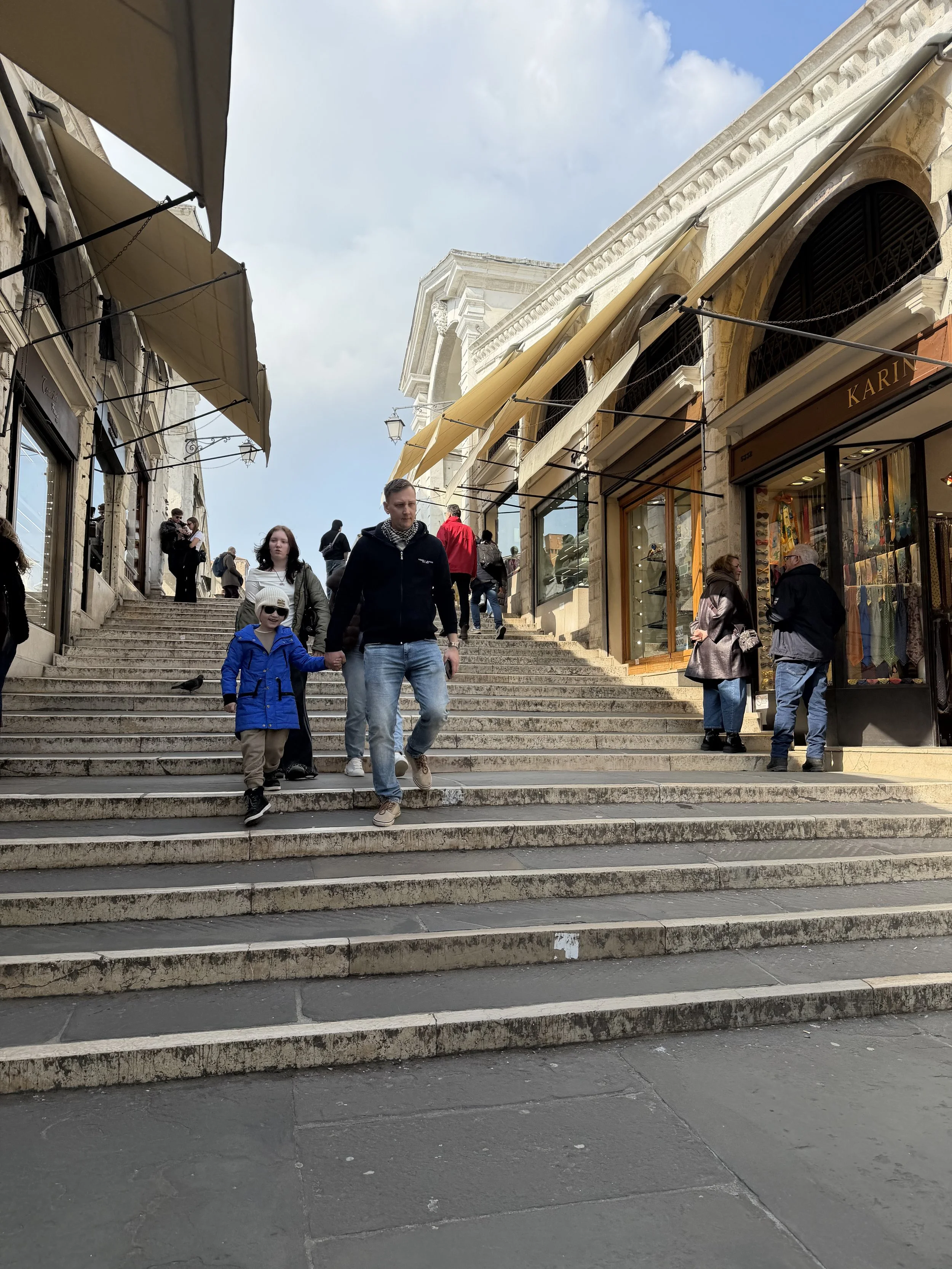
First, the first picture is definitely the coolest something you could ever build and yet still call it a bridge. I think it actually pretty much maxes out what a bridge can be. There are two rows of shops all the way across. It is 103’ long, and does not have any metal reinforcement whatsoever. It is built by stone only, whose designer and design were doubted at first for the idea of having one single arch. Well, the 430 years it has stood while people have stomped over it would be a good “I told you so” for him.
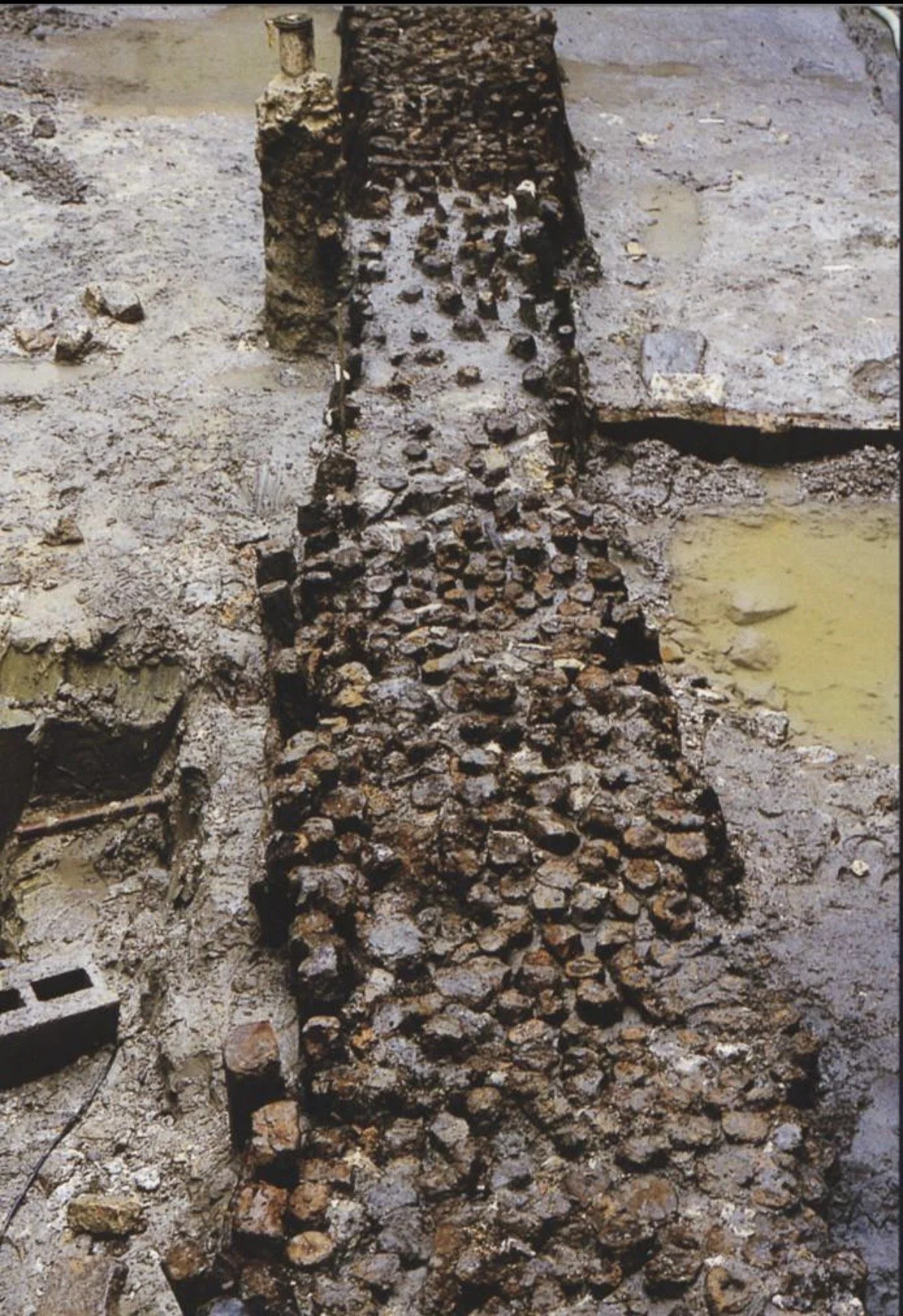
They say there is a post about every square ft. Holding the city above the water. That is 9 per square yard. That is a lot of wood, and it was all shipped in. The oxygen poor water has petrified most of these pilings. This is a picture of what they dug up and found. Logs were brought in, and then tamped in, most of these posts are only 20’ long. They then used the water as a natural level to measure off of to cut each one off at the same height. Next the put planks on, and then stone. The buildings are sinking a few millimeters every year.
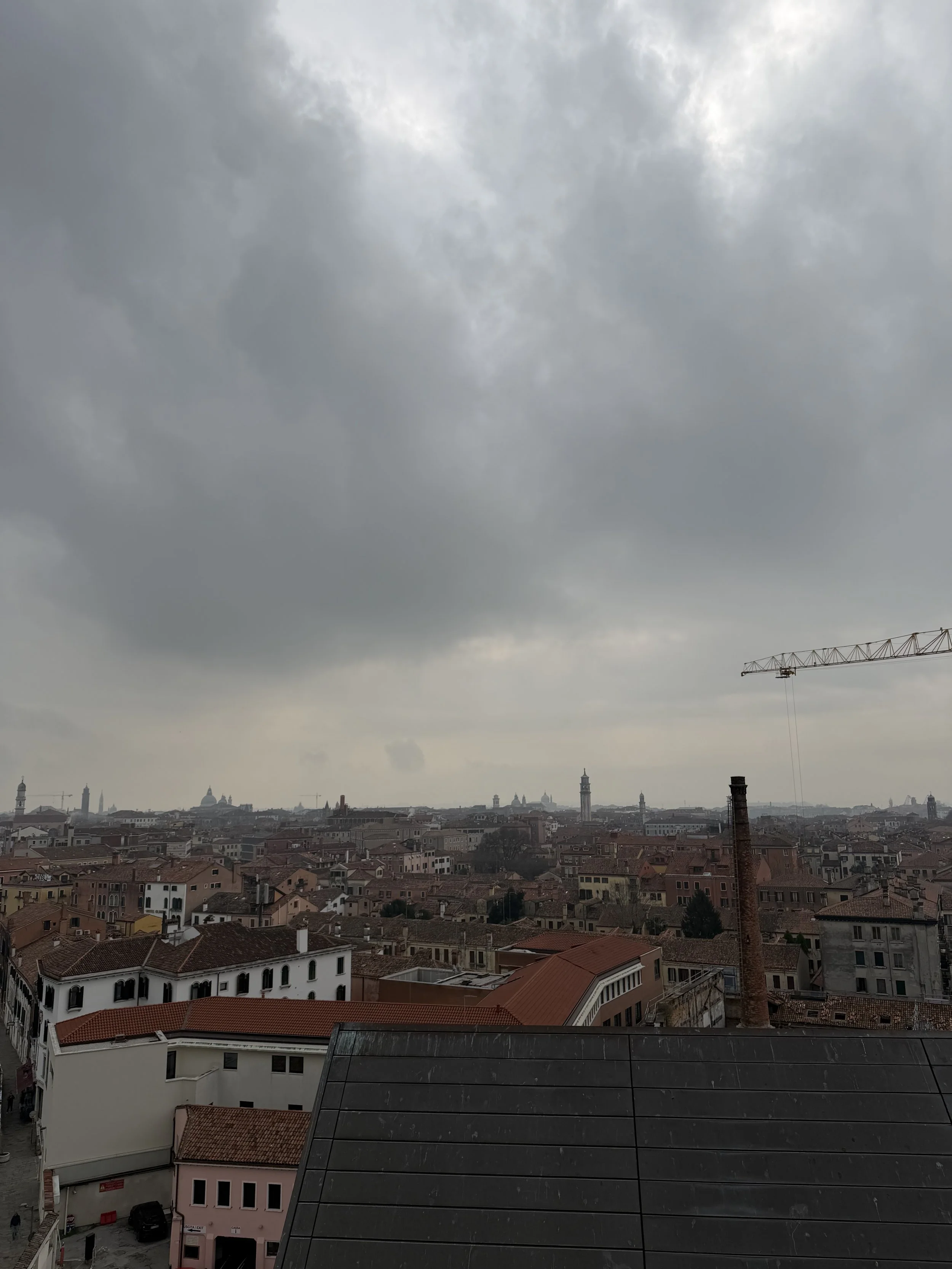
Venice is the only empire that has lasted 1,100 years. Started around 697AD and then It was defeated eventually by napoleon in 1797, who else. The continual attacks of surrounding cities drove the villagers out into the swamp, to build a system that would protect them from their enemies. Which it successfully did for a millennium. The swamp kept large war ships from being able to access it without being attacked from either side of the canal, but then was perfect for friendly merchant ships bringing goods in and out. It acted like a natural moat for every other type of attack. They were independent, not relying on any surrounding area to survive, and their salt was extremely sought after. Its location allowed it to control Mediterranean routes for centuries.
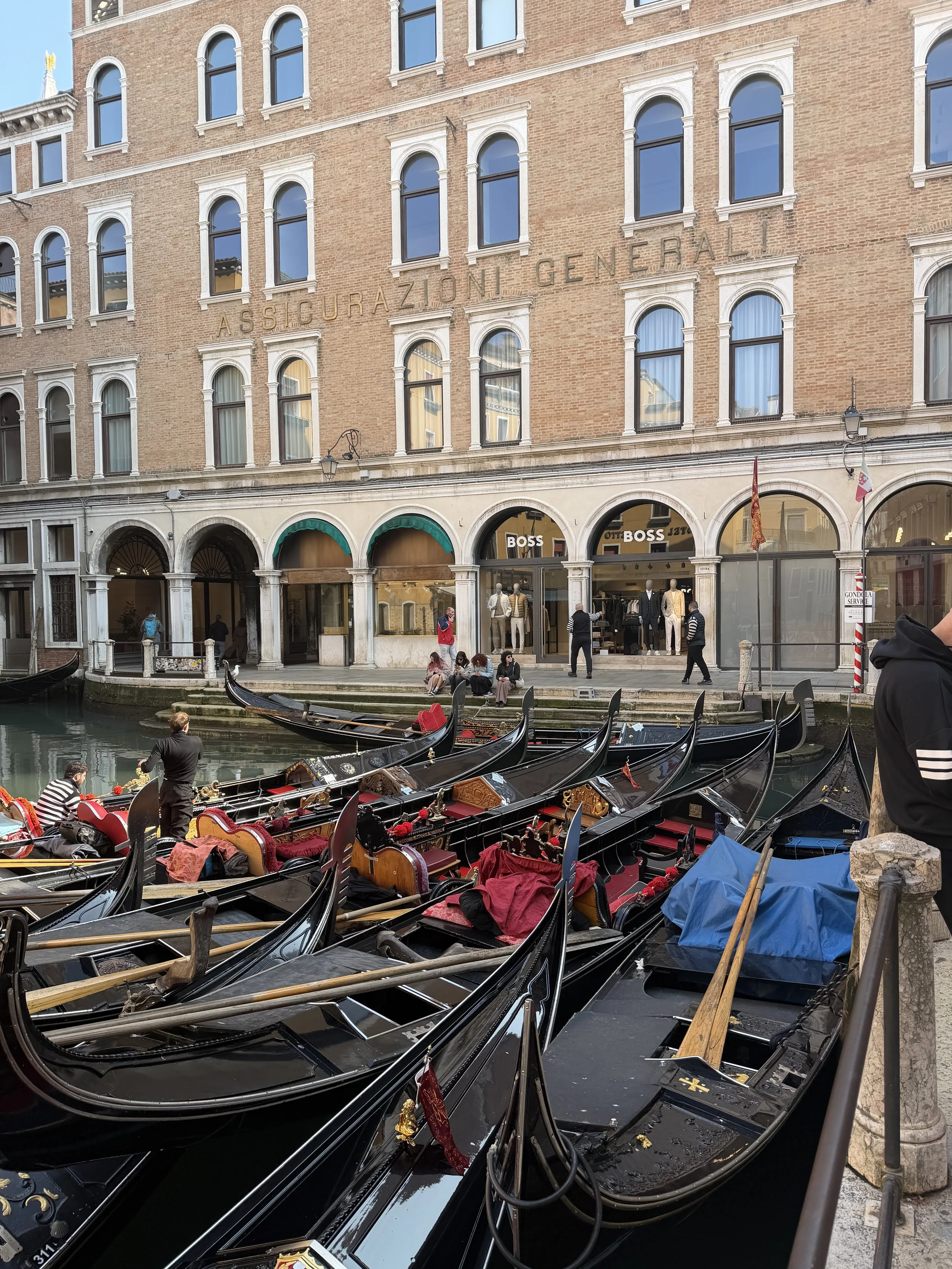
It was a maritime superpower. Its shipyard had assembly lines that cranked out warships as fast as 1 a day. At its height it employed 10,000 laborers.
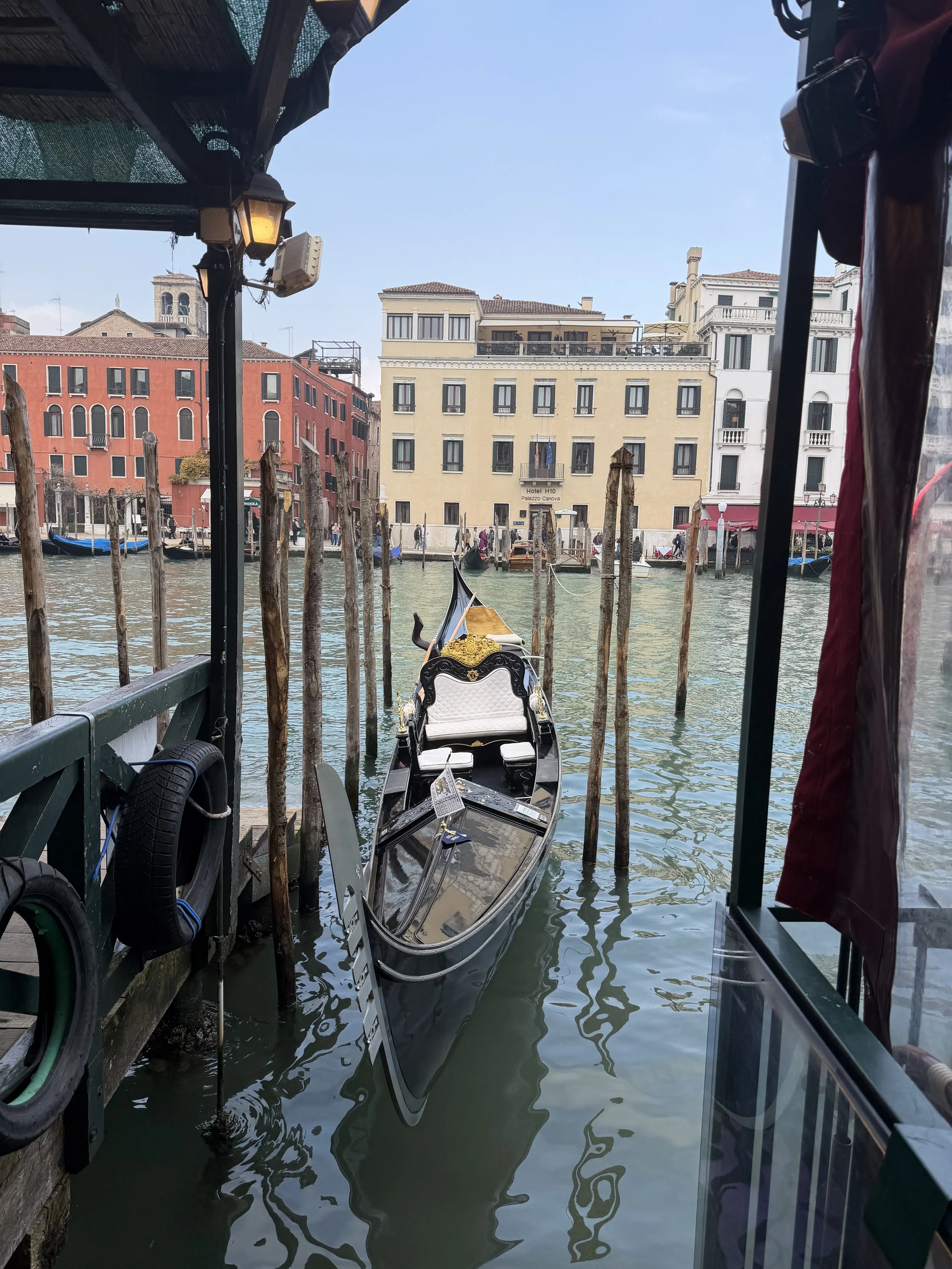
It takes two months to build these, and they are purposely made to veer to the left to counterbalance the leverage of the long oar. It is mandatory that they are black.
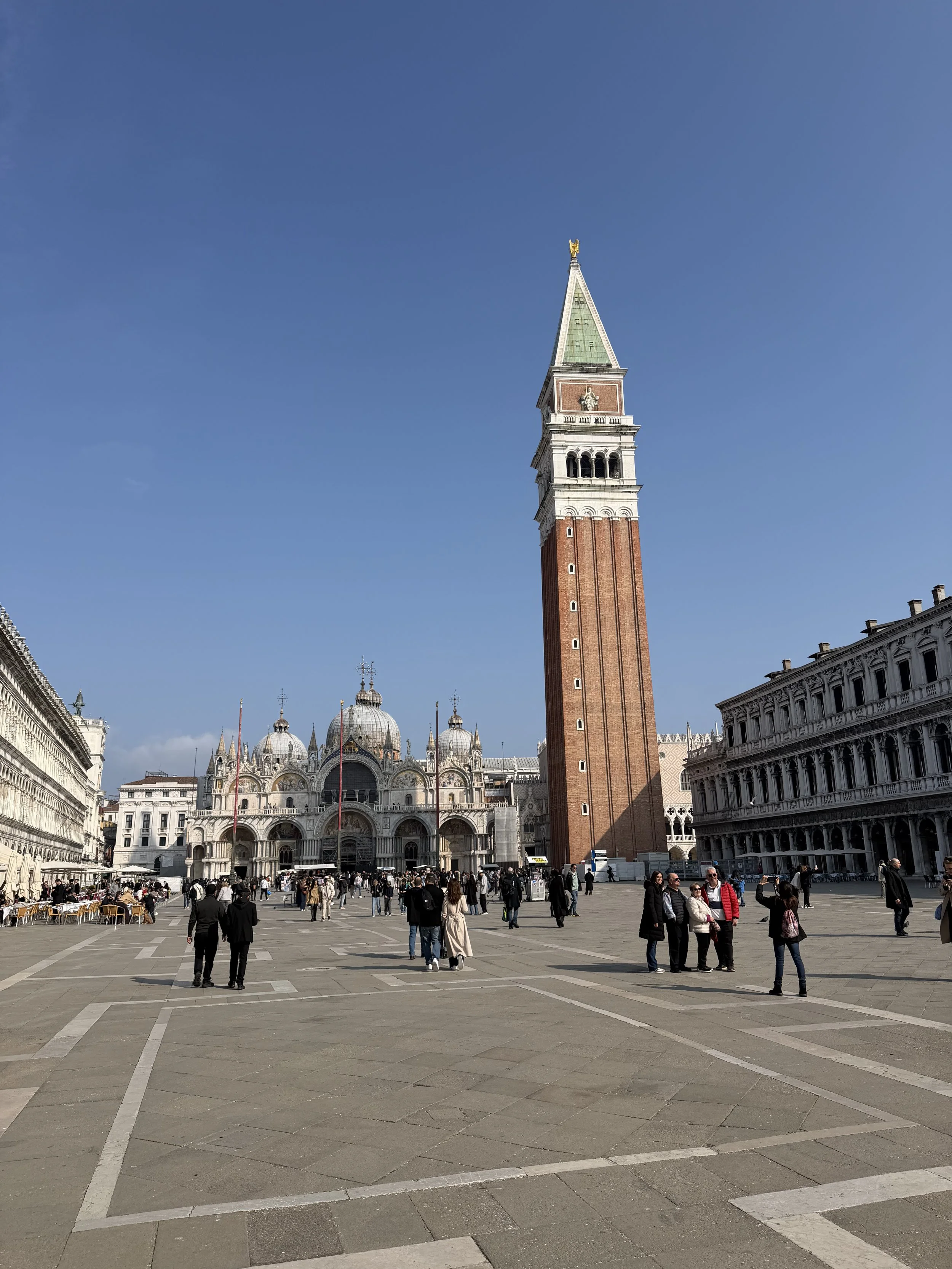
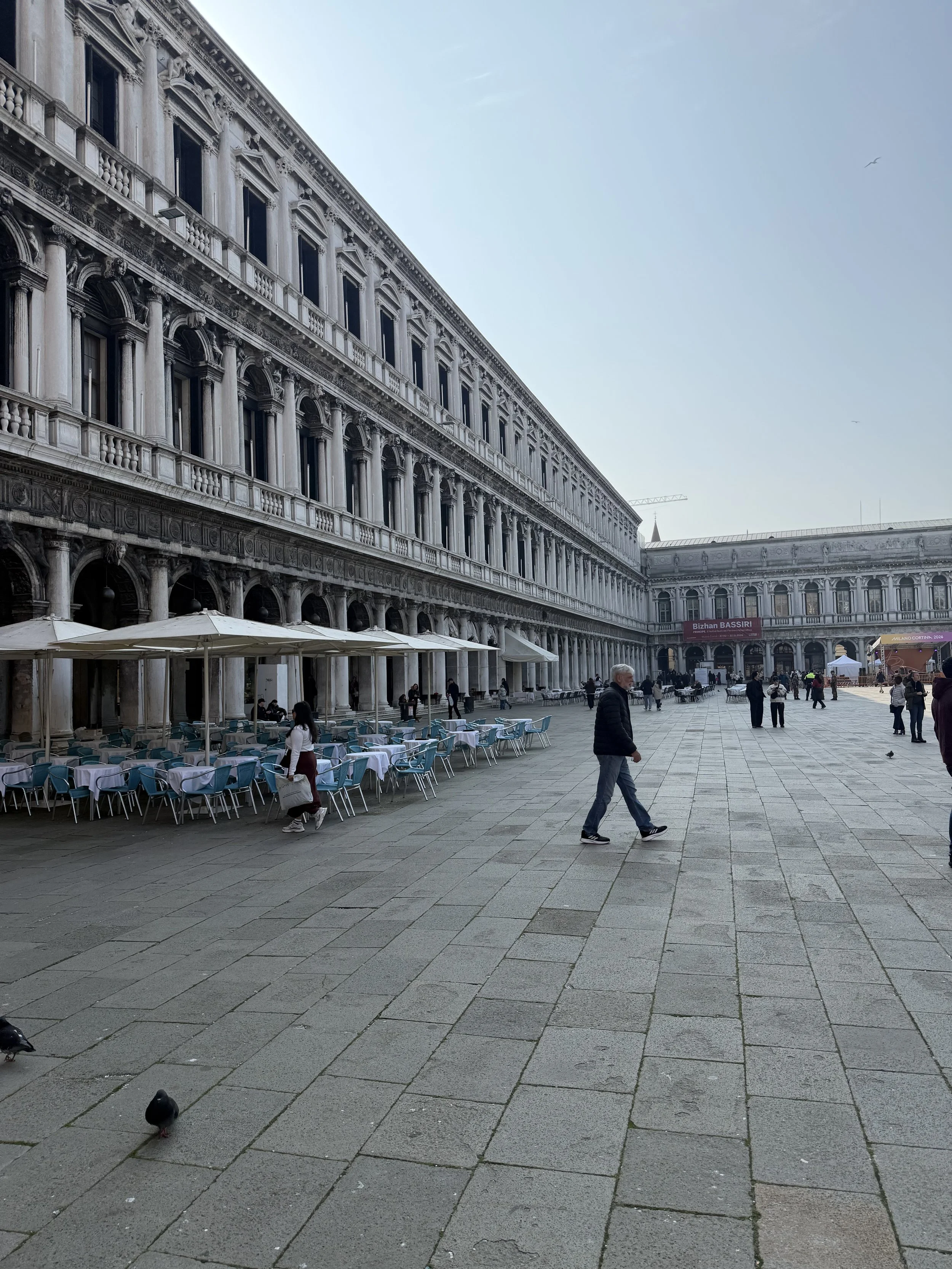
At. Marks square
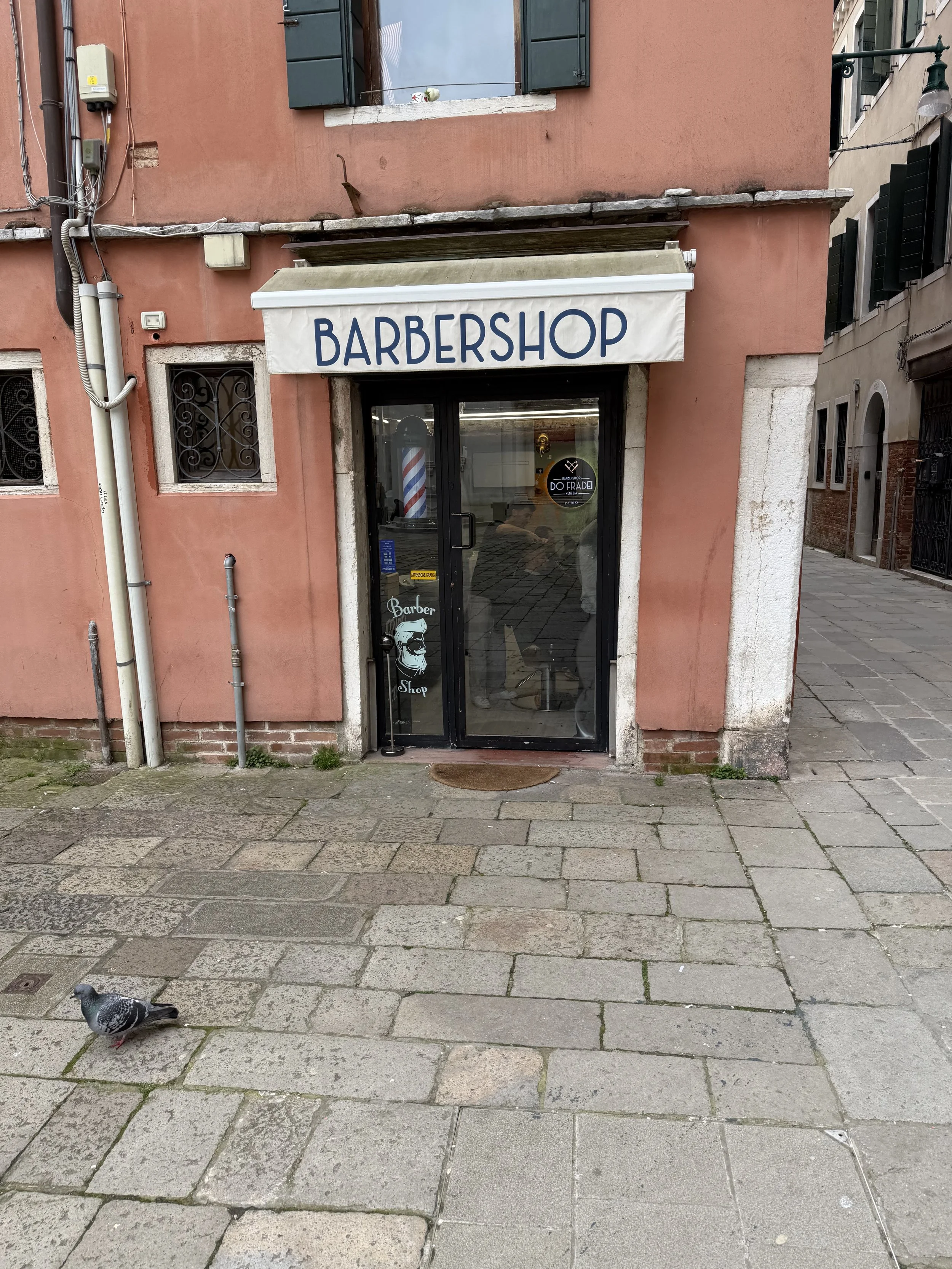
Haircut for me and alex here.
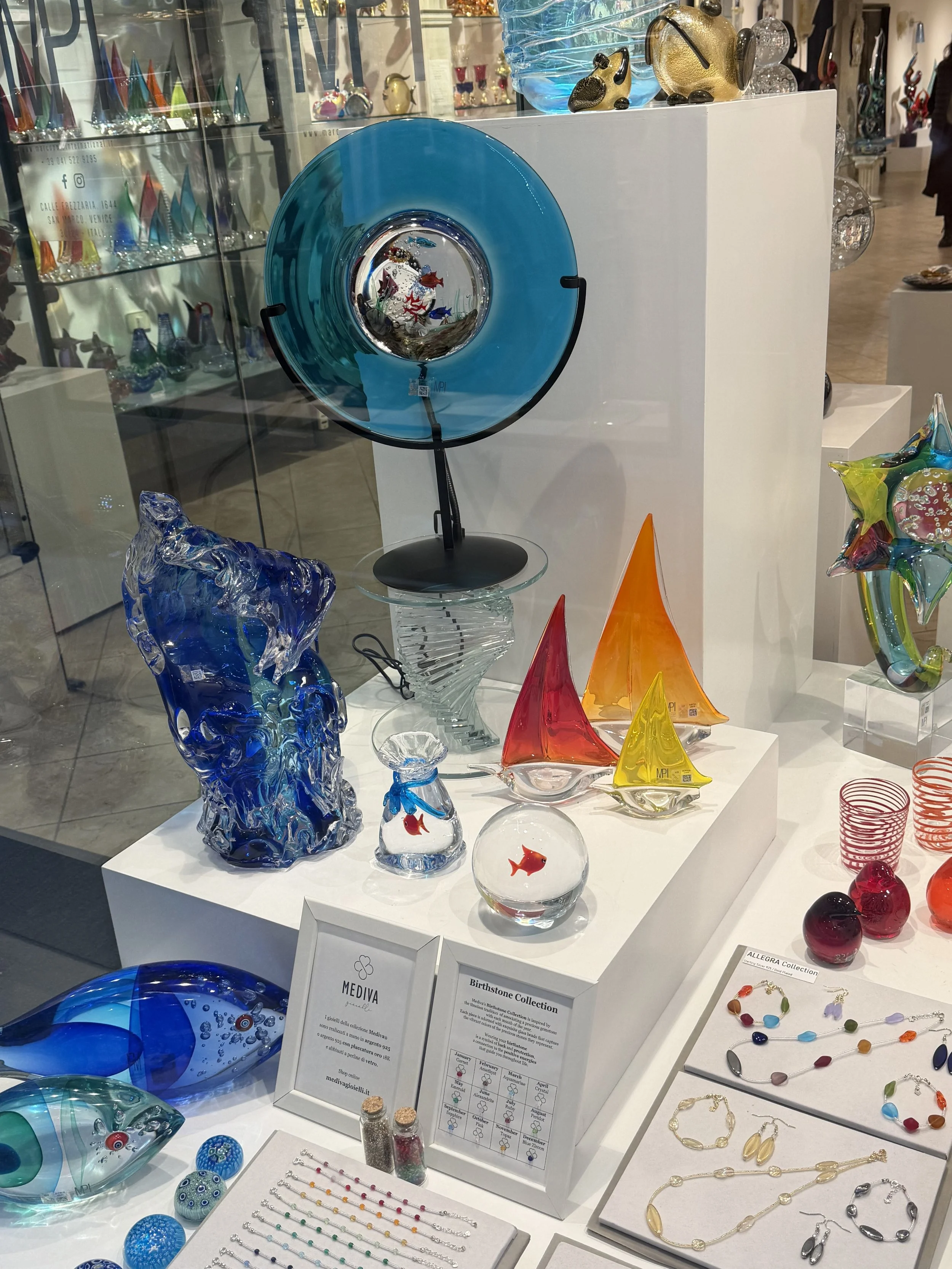
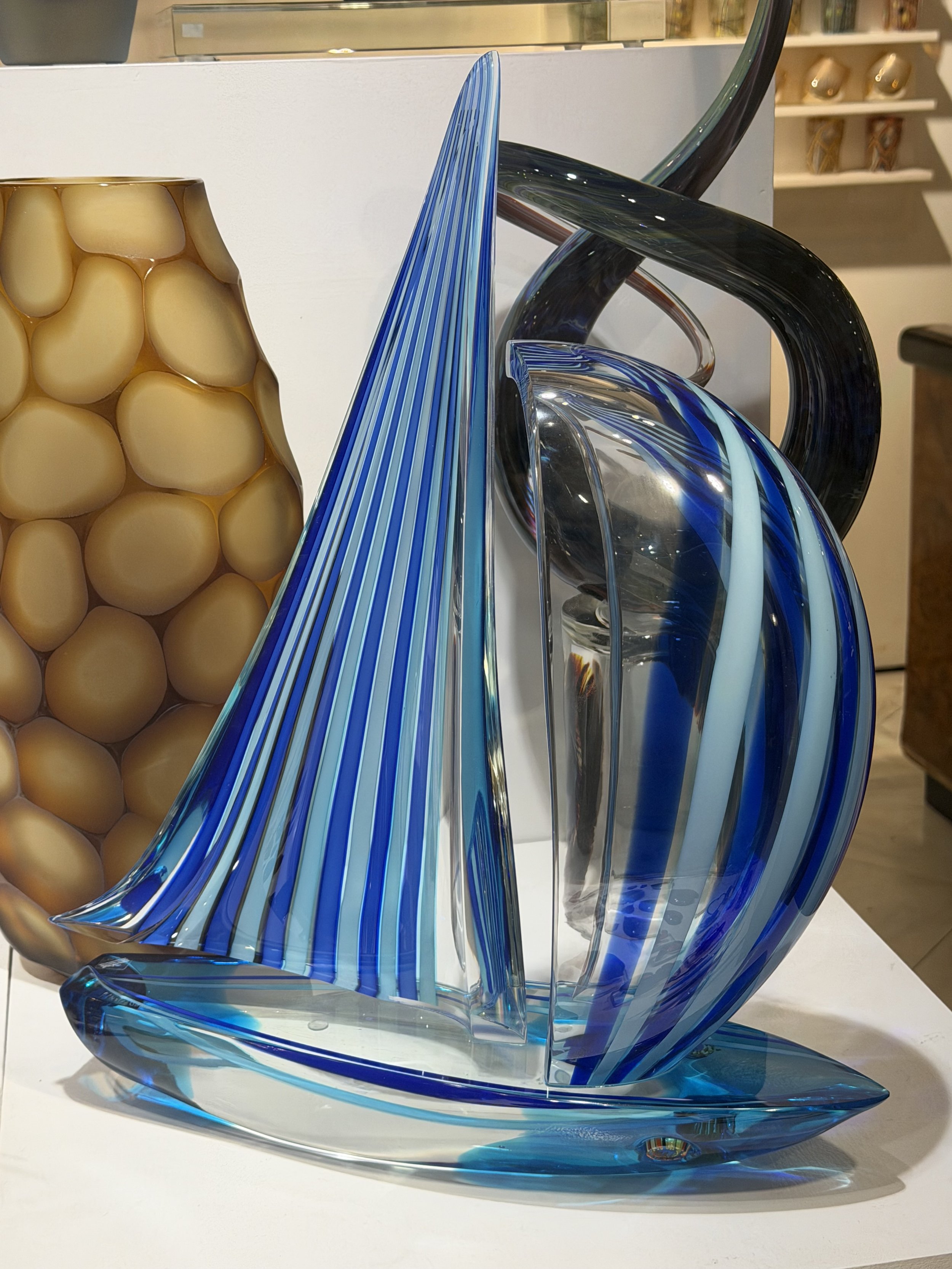
Literally tons and tons of glass here. It’s called murano glass and is homemade on an island near Venice. Venice sent every glass maker and his furnace to this island to supposedly prevent the town from a fire hazard. Which then consolidated everything and the island became revolutionary in the design and manufacturing of glass.
They were the first ones to come up with completely clear glass, The first ones to use the technique of threading different colors into it. And pretty much defined glass in Europe for years. To this day they have secrets that no one else is allowed to know. Secrets that were 700 years in the making. Ok, ok Venice. Take the title. You’re the best at blowing glass. I don’t think the rest of us our going to hold that from you.
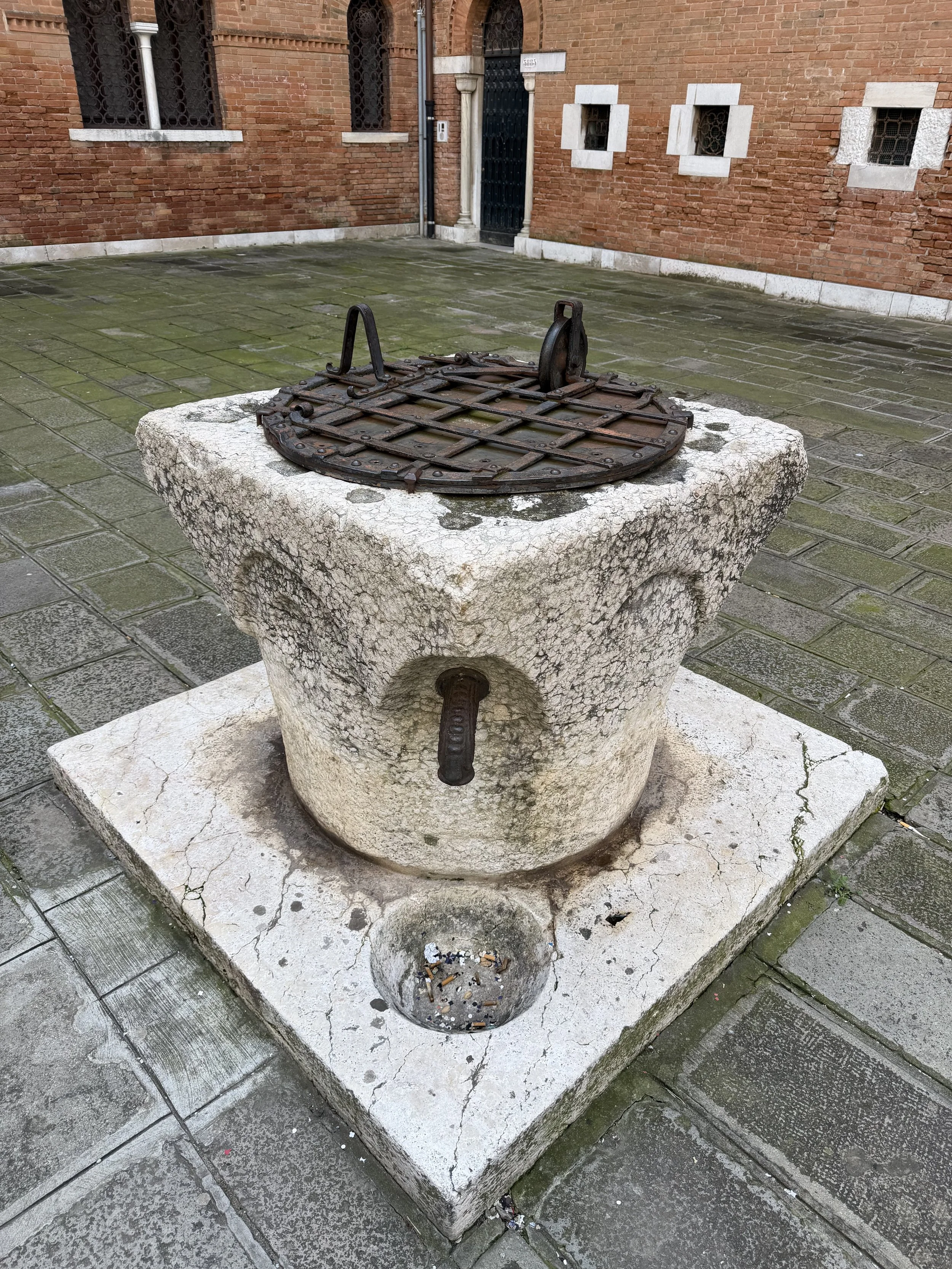
This is a well. The city was surrounded by saltwater but created courtyards that were sloped towards the middle, catching all rainwater from roofs and tiles, letting it sink through sand, until it collected, purified, at the bottom in a sealed cistern . These wells then tapped into that place. Pretty clever, these guys.
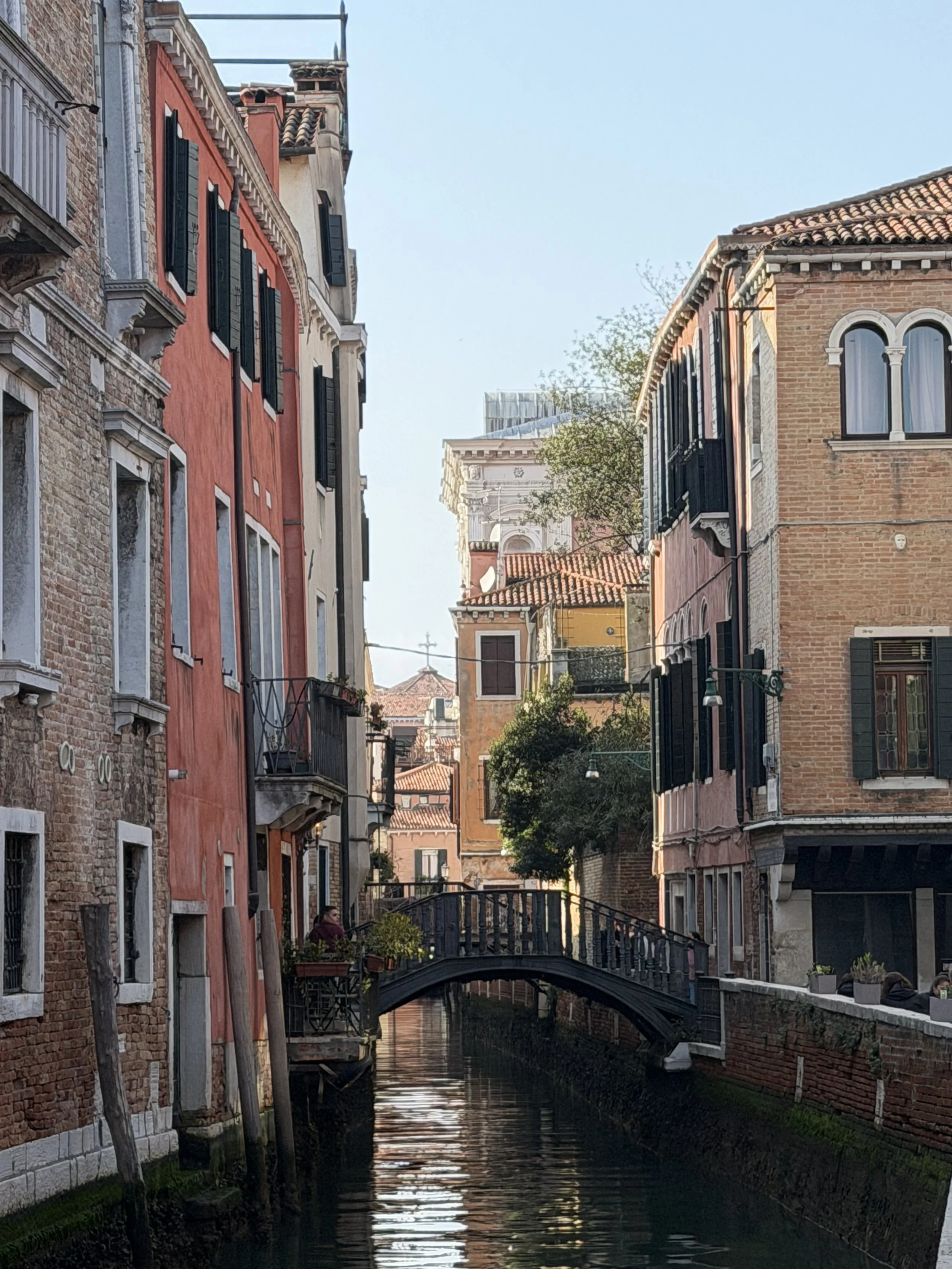
So cool.